Millet-Based Snacks Are Worth Trying
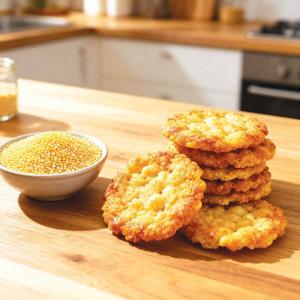 ✖  |
Millet might make you think of bird seed, but this tiny grain provides impressive nutrition. As a whole grain, millet belongs to a diverse family of grasses first domesticated around 10,000 years ago in northern China. It remains a valued ingredient in Chinese, Nigerian and Namibian cuisine.
Today, millet’s popularity is increasing. The crop matures in just 45 days and can withstand tough weather or poor soil conditions. It’s also a light feeder, requiring minimal pesticides or fertilizers to reach maturity. The tiny grain has gained attention in recent years, with the UN’s Food and Agriculture Organization declaring 2023 the “International Year of Millet.”
Millet is rich in protein, magnesium, phosphorus, zinc, copper, manganese and various B vitamins, along with antioxidants. Since millet is gluten-free, it’s a suitable grain choice for people with gluten intolerance or sensitivity.
Its high fiber content supports healthy digestion and gut health, while a naturally low glycemic index helps prevent blood sugar spikes. This supports stable energy levels, reduces sugar cravings, and improves insulin sensitivity in individuals with diabetes and prediabetes.
The high protein content promotes satiety and sustained energy without a crash. This makes millet a great option for a pre-workout snack or a mid-afternoon pick-me-up. And since millet snacks are usually roasted or baked rather than deep-fried, they help reduce intake of unhealthy fats.
Like all grains, millet tastes best when cooked. One cup of dry millet with two cups of water, boiled for 20 min., works well. Alternatively, skip this step and add raw millet to dough before baking. Ground millet can be used as a substitute for wheat flour, although recipes usually recommend keeping the millet-to-total-flour ratio at about one-third.
Today, millet is popular in various pre-made snacks, including cookies, breakfast bars and trail mixes. It’s just as flavorful in homemade treats. You can also sprout millet seeds to use as a salad topping or as a lettuce substitute in sandwiches.
The tiny grains can even be popped into “popcorn” that looks like Rice Krispies. Add raw millet to a dry skillet and heat over medium heat. Stir or shake the skillet constantly until the crackling sounds stop. Season the puffed grains as you would popcorn, or consider adding them to your favorite baking recipe.
Click here to download page story appeared in.
Click here to read entire issue
Millet-Based Snacks Are Worth Trying
Millet might make you think of bird seed, but this tiny grain provides impressive nutrition. As a whole grain, millet belongs to a diverse family of grasses first domesticated around 10,000 years ago in northern China. It remains a valued ingredient in Chinese, Nigerian and Namibian cuisine.
Today, millet’s popularity is increasing. The crop matures in just 45 days and can withstand tough weather or poor soil conditions. It’s also a light feeder, requiring minimal pesticides or fertilizers to reach maturity. The tiny grain has gained attention in recent years, with the UN’s Food and Agriculture Organization declaring 2023 the “International Year of Millet.”
Millet is rich in protein, magnesium, phosphorus, zinc, copper, manganese and various B vitamins, along with antioxidants. Since millet is gluten-free, it’s a suitable grain choice for people with gluten intolerance or sensitivity.
Its high fiber content supports healthy digestion and gut health, while a naturally low glycemic index helps prevent blood sugar spikes. This supports stable energy levels, reduces sugar cravings, and improves insulin sensitivity in individuals with diabetes and prediabetes.
The high protein content promotes satiety and sustained energy without a crash. This makes millet a great option for a pre-workout snack or a mid-afternoon pick-me-up. And since millet snacks are usually roasted or baked rather than deep-fried, they help reduce intake of unhealthy fats.
Like all grains, millet tastes best when cooked. One cup of dry millet with two cups of water, boiled for 20 min., works well. Alternatively, skip this step and add raw millet to dough before baking. Ground millet can be used as a substitute for wheat flour, although recipes usually recommend keeping the millet-to-total-flour ratio at about one-third.
Today, millet is popular in various pre-made snacks, including cookies, breakfast bars and trail mixes. It’s just as flavorful in homemade treats. You can also sprout millet seeds to use as a salad topping or as a lettuce substitute in sandwiches.
The tiny grains can even be popped into “popcorn” that looks like Rice Krispies. Add raw millet to a dry skillet and heat over medium heat. Stir or shake the skillet constantly until the crackling sounds stop. Season the puffed grains as you would popcorn, or consider adding them to your favorite baking recipe.
To read the rest of this story, download this issue below or click
here to register with your account number.