How To Make Perfect Hominy
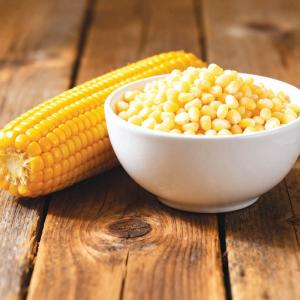 ✖  |
One look at its oversized kernels might make you think hominy is far removed from corn. But it’s simply a bit of kitchen magic that transforms this common crop into something special. Hominy has a rich, earthy flavor that contrasts with its soft, pillow-like texture. It’s a staple ingredient in Mexican cooking, used in atoles, pozoles, arepas, tamales, tortillas and more.
The secret to hominy is a process called nixtamalization. Dried field corn is soaked in an alkali solution, usually lime or lye, and then thoroughly rinsed to remove the hulls and skin. The resulting kernels are tender and plump, providing better nutritional value. Your body can more easily absorb the kernel’s niacin, phosphorus, calcium and iron.
Even better, nixtamalization reduces mold growth and prevents corn from sprouting, acting as a long-term preservation method before refrigeration was common. Historically, cultures that consumed hominy experienced lower rates of pellagra, a disease caused by vitamin deficiency. The process also changes the kernel’s protein and carbohydrate structures, forming emulsifying agents that help the ground grain stick to water—a vital step in Mexican cooking.
Interested in trying hominy? It’s available dried or in cans. Canned hominy is ready to use, while dried needs soaking and boiling, similar to dried beans. Masa harina, which is ground hominy, is also popular and used for grits or dough.
Homemade hominy requires flint, flour or dent corn. Some people find success using popcorn, although the result might be chewy. Hardwood ash acts as the lye agent for nixtamalization, but pickling lime can also be used.
An easy recipe calls for 2 quarts of dry corn kernels and 4 tablespoons of pickling lime. Use a stainless steel or enameled pot for the kernels, covering them with 2 in. of water. Sprinkle the lime on top and stir until it dissolves. Then, bring the mixture to a simmer, keeping it just below a boil for 30 min. Cover the pan, turn off the heat, and let it cool on the stovetop overnight. In the morning, drain and rinse the kernels thoroughly.
By this point, the kernels should be puffed up to about three times their original size. Test a few to make sure they are firm and chewy without a hard center. If the center remains hard, simmer them for a few more minutes. Then keep the kernels submerged and rub them between your fingers to remove any pericarps, the outer skins of the kernels. Keep in mind, this step is mainly for appearance and not something to stress over.
Fresh hominy will keep in the refrigerator for three days or in the freezer for up to three months. Dehydrated hominy stays fresh in airtight containers for years, and canning is nearly as simple. Add room-temperature, drained hominy to sanitized jars, leaving 1 in. of headspace. Remove any bubbles and wipe the rim clean with a damp cloth. Place hot lids on the jars and screw them down tightly with the rings. Process in a pressure canner at 10 lbs. pressure for 55 min. for pints or 85 min. for quarts.
Click here to download page story appeared in.
Click here to read entire issue
How To Make Perfect Hominy
One look at its oversized kernels might make you think hominy is far removed from corn. But it’s simply a bit of kitchen magic that transforms this common crop into something special. Hominy has a rich, earthy flavor that contrasts with its soft, pillow-like texture. It’s a staple ingredient in Mexican cooking, used in atoles, pozoles, arepas, tamales, tortillas and more.
The secret to hominy is a process called nixtamalization. Dried field corn is soaked in an alkali solution, usually lime or lye, and then thoroughly rinsed to remove the hulls and skin. The resulting kernels are tender and plump, providing better nutritional value. Your body can more easily absorb the kernel’s niacin, phosphorus, calcium and iron.
Even better, nixtamalization reduces mold growth and prevents corn from sprouting, acting as a long-term preservation method before refrigeration was common. Historically, cultures that consumed hominy experienced lower rates of pellagra, a disease caused by vitamin deficiency. The process also changes the kernel’s protein and carbohydrate structures, forming emulsifying agents that help the ground grain stick to water—a vital step in Mexican cooking.
Interested in trying hominy? It’s available dried or in cans. Canned hominy is ready to use, while dried needs soaking and boiling, similar to dried beans. Masa harina, which is ground hominy, is also popular and used for grits or dough.
Homemade hominy requires flint, flour or dent corn. Some people find success using popcorn, although the result might be chewy. Hardwood ash acts as the lye agent for nixtamalization, but pickling lime can also be used.
An easy recipe calls for 2 quarts of dry corn kernels and 4 tablespoons of pickling lime. Use a stainless steel or enameled pot for the kernels, covering them with 2 in. of water. Sprinkle the lime on top and stir until it dissolves. Then, bring the mixture to a simmer, keeping it just below a boil for 30 min. Cover the pan, turn off the heat, and let it cool on the stovetop overnight. In the morning, drain and rinse the kernels thoroughly.
By this point, the kernels should be puffed up to about three times their original size. Test a few to make sure they are firm and chewy without a hard center. If the center remains hard, simmer them for a few more minutes. Then keep the kernels submerged and rub them between your fingers to remove any pericarps, the outer skins of the kernels. Keep in mind, this step is mainly for appearance and not something to stress over.
Fresh hominy will keep in the refrigerator for three days or in the freezer for up to three months. Dehydrated hominy stays fresh in airtight containers for years, and canning is nearly as simple. Add room-temperature, drained hominy to sanitized jars, leaving 1 in. of headspace. Remove any bubbles and wipe the rim clean with a damp cloth. Place hot lids on the jars and screw them down tightly with the rings. Process in a pressure canner at 10 lbs. pressure for 55 min. for pints or 85 min. for quarts.
To read the rest of this story, download this issue below or click
here to register with your account number.