Lemon Balm Brings Delight To Gardens
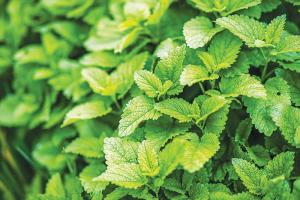 ✖  |
The heart-shaped leaves of lemon balm (Melissa officinalis) might be enough to melt your heart — at least when you get close enough to smell them. Hardy through Zone 4, lemon balm is grown as a short-lived perennial throughout the U.S. This clump-forming perennial looks like mint, but never fear; it’s far easier to control.
As a native of southern Europe and northern Africa, lemon balm is rich in antioxidants and releases a pleasant lemon scent when crushed. It’s a popular ingredient in anti-aging products, dietary supplements and cocktails. A handful of fresh lemon balm makes a refreshing tea that’s excellent whether hot or iced.
Each of lemon balm’s deeply veined leaves is covered with stiff hairs. Flowers appear in early summer and are small, white and delicate. They’re also a favorite food source for bees and other pollinators, making lemon balm an especially attractive garden addition.
Lemon balm grows best in rich, moist soil and partial shade. Sunlight brings out the flavor in lemon balm, but direct, full sun can scorch the leaves or turn them yellow. Shade-grown plants, in contrast, tend to be larger and more succulent. Because of its spreading habit, lemon balm makes a great ground cover in rock gardens and around patio planters. Lemon balm tolerates drought well. There’s little reason to coddle the plant once it’s well established.
Start seeds indoors up to 6 weeks before the last frost date. Germination can take 2 weeks or longer. Lemon balm can be harvested 2 to 3 in. above the base of the plant. The plant is most flavorful before it blooms, so remove flower buds to prolong its lifespan. Fresh cuttings are the most potent, but sprigs can be dried in warm, airy locations. Strip off the leaves for long-term storage once they’re crinkly to the touch.
Thanks to its aggressive nature, lemon balm requires little maintenance once it’s established. You’ll only need to protect the plant from weeds that might suffocate it early on. Mulch can provide all the fertilizer lemon balm needs. Avoid overwatering, as the herb can be sensitive to root rot. In the fall, consider cutting the plant back to just a few inches at the base. Add mulch to protect the roots, and the plant should overwinter effectively.
Lemon balm leaves make a perfect accent in recipes. Use them in place of lemon peel to flavor soups, sauces, vinegars and seafood. The citrus-inspired leaves can also add zest to fruit salads, fresh greens and juice.
Harvest a few leaves at a time whenever the urge strikes. The plants tolerate being cut down to 2 in. tall and bounce back quickly. Pinch off leaves with your fingers, or use pruners to remove entire stems. Harvest in the morning for the best flavor, and prioritize the youngest leaves.
The herb also has mild medicinal properties. Brew a relaxing tea to ease headaches and anxiety, or bruise fresh leaves to relieve insect bites, cuts and grazes. A strong infusion can shorten the healing time for cold sores and reduce the risk of recurrence.

Click here to read entire issue
Lemon Balm Brings Delight To Gardens
The heart-shaped leaves of lemon balm (Melissa officinalis) might be enough to melt your heart — at least when you get close enough to smell them. Hardy through Zone 4, lemon balm is grown as a short-lived perennial throughout the U.S. This clump-forming perennial looks like mint, but never fear; it’s far easier to control.
As a native of southern Europe and northern Africa, lemon balm is rich in antioxidants and releases a pleasant lemon scent when crushed. It’s a popular ingredient in anti-aging products, dietary supplements and cocktails. A handful of fresh lemon balm makes a refreshing tea that’s excellent whether hot or iced.
Each of lemon balm’s deeply veined leaves is covered with stiff hairs. Flowers appear in early summer and are small, white and delicate. They’re also a favorite food source for bees and other pollinators, making lemon balm an especially attractive garden addition.
Lemon balm grows best in rich, moist soil and partial shade. Sunlight brings out the flavor in lemon balm, but direct, full sun can scorch the leaves or turn them yellow. Shade-grown plants, in contrast, tend to be larger and more succulent. Because of its spreading habit, lemon balm makes a great ground cover in rock gardens and around patio planters. Lemon balm tolerates drought well. There’s little reason to coddle the plant once it’s well established.
Start seeds indoors up to 6 weeks before the last frost date. Germination can take 2 weeks or longer. Lemon balm can be harvested 2 to 3 in. above the base of the plant. The plant is most flavorful before it blooms, so remove flower buds to prolong its lifespan. Fresh cuttings are the most potent, but sprigs can be dried in warm, airy locations. Strip off the leaves for long-term storage once they’re crinkly to the touch.
Thanks to its aggressive nature, lemon balm requires little maintenance once it’s established. You’ll only need to protect the plant from weeds that might suffocate it early on. Mulch can provide all the fertilizer lemon balm needs. Avoid overwatering, as the herb can be sensitive to root rot. In the fall, consider cutting the plant back to just a few inches at the base. Add mulch to protect the roots, and the plant should overwinter effectively.
Lemon balm leaves make a perfect accent in recipes. Use them in place of lemon peel to flavor soups, sauces, vinegars and seafood. The citrus-inspired leaves can also add zest to fruit salads, fresh greens and juice.
Harvest a few leaves at a time whenever the urge strikes. The plants tolerate being cut down to 2 in. tall and bounce back quickly. Pinch off leaves with your fingers, or use pruners to remove entire stems. Harvest in the morning for the best flavor, and prioritize the youngest leaves.
The herb also has mild medicinal properties. Brew a relaxing tea to ease headaches and anxiety, or bruise fresh leaves to relieve insect bites, cuts and grazes. A strong infusion can shorten the healing time for cold sores and reduce the risk of recurrence.
To read the rest of this story, download this issue below or click
here to register with your account number.